ERP System Development for Growing Companies
One system that runs accounting, inventory, sales and HR, built around how your company actually works
A custom ERP system in Egypt starts at about EGP 165,000 (~$3,000) and takes 8 to 12 weeks
for a two or three module build. Spreadsheets scattered between departments, paper invoices,
and stock counts that never match the books are all symptoms of the same thing: the company runs
without a central system. We build an ERP that matches your existing process instead of forcing your
team to adapt to an off-the-shelf product designed for someone else's business.
What the system covers
Accounting & invoicing
Chart of accounts, journal entries posted automatically from operations, VAT handling and e-invoicing for the Egyptian and Gulf markets.
Inventory & purchasing
Multi-warehouse stock, reorder points, purchase orders and supplier records, with stock movements tied to the same ledger as sales.
Sales & CRM
Quotations, orders, customer accounts, price lists and a pipeline your sales team will actually keep up to date.
HR & payroll
Employee records, attendance, leave, payroll runs and end-of-service calculations that follow local labour rules.
Live reporting
Dashboards that read from live data rather than a monthly export: margin per product, ageing receivables, stock value, branch performance.
Integrations
Your online store, website and mobile app read and write to the same database, because we build those too.
ETA e-invoicing integration
The Egyptian Tax Authority (ETA) completed the e-invoicing mandate for all taxpayers registered at its tax offices on 15 December 2022. Since 1 April 2023 it recognises only electronic invoices when deducting or refunding VAT and when documenting costs in the tax return. We build the ETA integration into the ERP system we deliver, so invoices go to the ETA from the same screen your finance team already uses, with no retyping into the tax portal.
- Documents: invoices, credit notes and debit notes are issued in the ERP and submitted to the ETA automatically.
- Item codes: every item is mapped to an approved GS1 or EGS code before the first live invoice.
- Signature: each document is signed with your company's electronic seal before submission, as the ETA requires. Your company obtains the seal certificate from an approved issuer.
- Status and rejections: your accountant sees in the ERP whether the ETA accepted or rejected each document, and why, then corrects the data and reissues it.
- Tested first: the integration runs against the ETA's pre-production environment before it goes live.
Off-the-shelf or custom? We will tell you honestly
| | Off-the-shelf / SaaS | Custom system you own |
|---|
| Cost | Monthly subscription that compounds for years | One-time investment plus optional maintenance |
| Fit to your process | You change your process to suit the software | The software is built around the process you already run |
| Data ownership | On the vendor's servers, on the vendor's terms | On your servers, owned outright by you |
| Extending it | Limited to what the vendor exposes | Any feature you need can be added later |
If your operation is standard and your budget is tight, we will say so and recommend customising an
open-source platform rather than building from zero. If your operation is unusual or complex, a custom
system pays for itself in the efficiency it adds. You get that opinion in the first meeting, before
anyone talks about a contract.
Why build it with Web Pioneer
- Bilingual by default: screens, reports and invoices in Arabic and English, which matters when your finance team and your investors read different languages.
- Built for Egypt and the Gulf: VAT, e-invoicing and multi-currency handled as first-class requirements rather than plugins.
- One database across your stack: the online store deducts from the same inventory the warehouse team sees, because we build the store and the ERP together.
- Twelve years of it: since 2014 we have built management systems for trading, services and operations businesses across Egypt and the Gulf.
- Hosting and operations from the same team: servers, backups and security handled by the people who wrote the system, so nothing falls between two vendors.
How the build runs
- Process analysis. We sit with your team and document the real workflow: where an order starts and where it ends.
- System design. Screens, approval flows and reports on paper first, reviewed by you before a line of code is written.
- Incremental development. One module at a time, accounting first usually, so your team gets value before the whole system is finished.
- Data migration. Balances, customers and stock moved from spreadsheets or your old system, reconciled and documented.
- Training and parallel run. Hands-on training per department, then a period running old and new side by side before you commit.
- Ongoing support. Monitoring, backups and continued development as the company grows.
Cost and timeline (2026)
| Scope | Approximate cost | Timeline |
|---|
| Core system (two to three modules) | From EGP 165,000 (~$3,000) | 8 – 12 weeks |
| Full multi-module system | EGP 250,000 – 440,000 ($4,500 – $8,000) | 12 – 20 weeks |
| Large multi-branch or multi-company | Scope-based, detailed proposal | 20+ weeks |
A precise estimate reaches you within one business day of a requirements session. That session is free and
carries no obligation. You can also get an instant range from our
project cost calculator, or read the
2026 market pricing report
for how these numbers compare across the Egyptian market.
Frequently asked questions
What is the difference between an ERP and accounting software?
Accounting software records financial entries and nothing else. An ERP connects accounting to inventory, sales, purchasing and HR in one database, so entries are posted automatically from the operations that caused them and the full picture is visible in real time.
Is an ERP worth it for a small company?
Yes, if you start narrow. We begin with the modules that actually hurt, usually accounting and inventory, from around EGP 165,000, and the system expands as the company grows without being rebuilt.
How long does implementation take?
A core system takes 8 to 12 weeks and a full multi-module system 12 to 20 weeks. Delivery is staged, so your team starts using the first module well before the whole system is complete.
Is it cloud-hosted or on our own servers?
Either. We run managed cloud servers with daily backups, or deploy onto your own hardware. In both cases the source code and the data belong to you.
What happens to our existing data in spreadsheets or an old system?
It gets migrated. Balances, customers, suppliers and stock are mapped, imported and reconciled against your old figures, and we document the reconciliation so finance can sign it off.
Do you build on a ready ERP platform or from scratch?
Both, depending on which is cheaper for your case. We run an established open-source ERP platform in production ourselves, so if customising it gets you there faster we will say so rather than sell you a bigger build.
Related services
Ready to stop running the company on spreadsheets?
Tell us how your operation works. We will tell you what it takes to systemise it, and whether you even need a custom build.
+20 102 777 0444
Our work
Projects related to this service
Real client projects, each with its own write-up. Case studies cover the problem, the engineering decisions and the outcome.
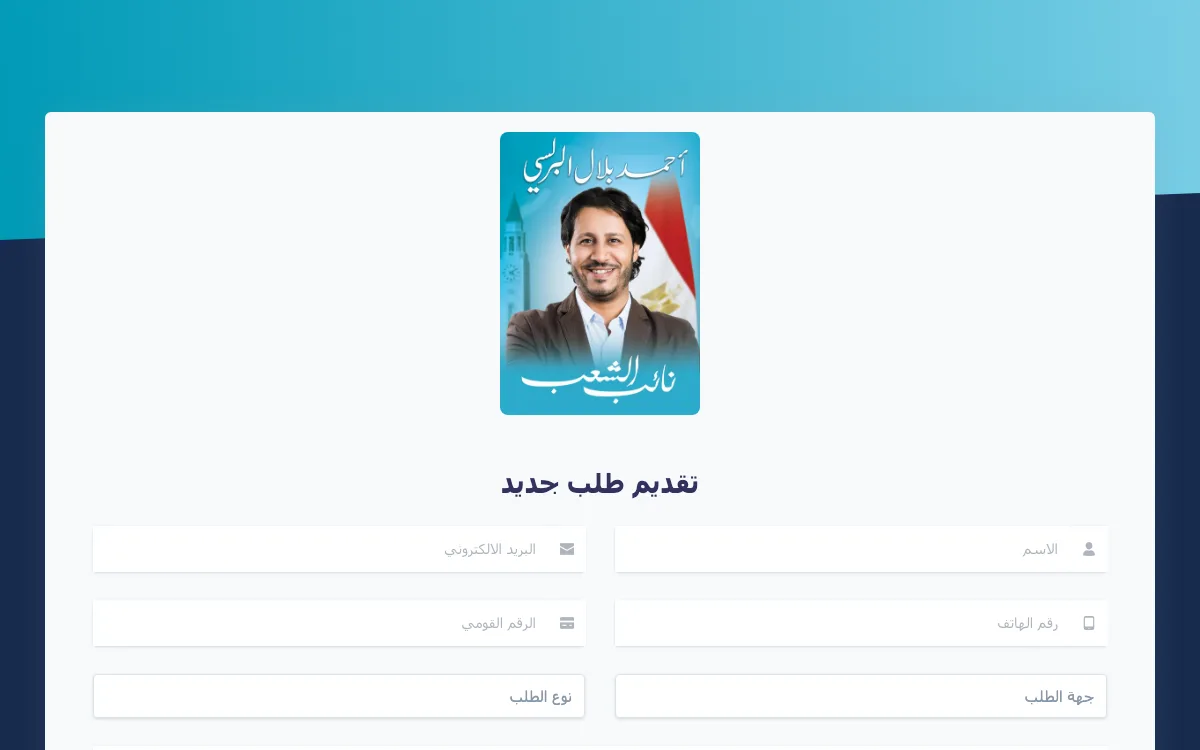
Case study · Civic service system
An MP office moved constituent requests from paper to a system: every request tracked from intake to closure, with clear reporting for the office.
Read the case study
→
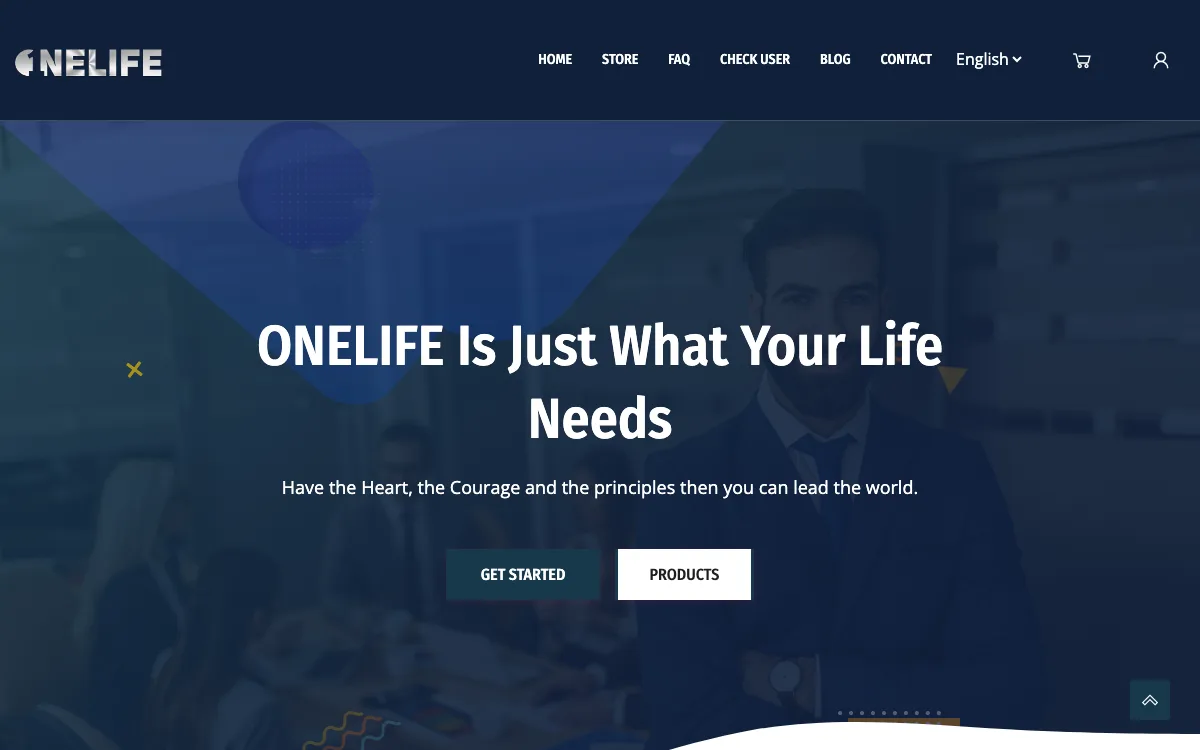
Case study · Multilingual commerce and membership
A direct-selling company faced fake distributors: we built a multilingual store with public verification of any distributor by name or membership numb...
Read the case study
→
All projects
·
All case studies
Before you decide
You do not have to take our word for it. Our registration, markets, technologies and independent evidence are published on one page, and so is the detail of how we build, secure and operate client systems.
